-Picsart-BackgroundRemover.png)
- Get link
- X
- Other Apps
Kyoto: The Ultimate Travel Guide – Temples, Gion & Local Tips
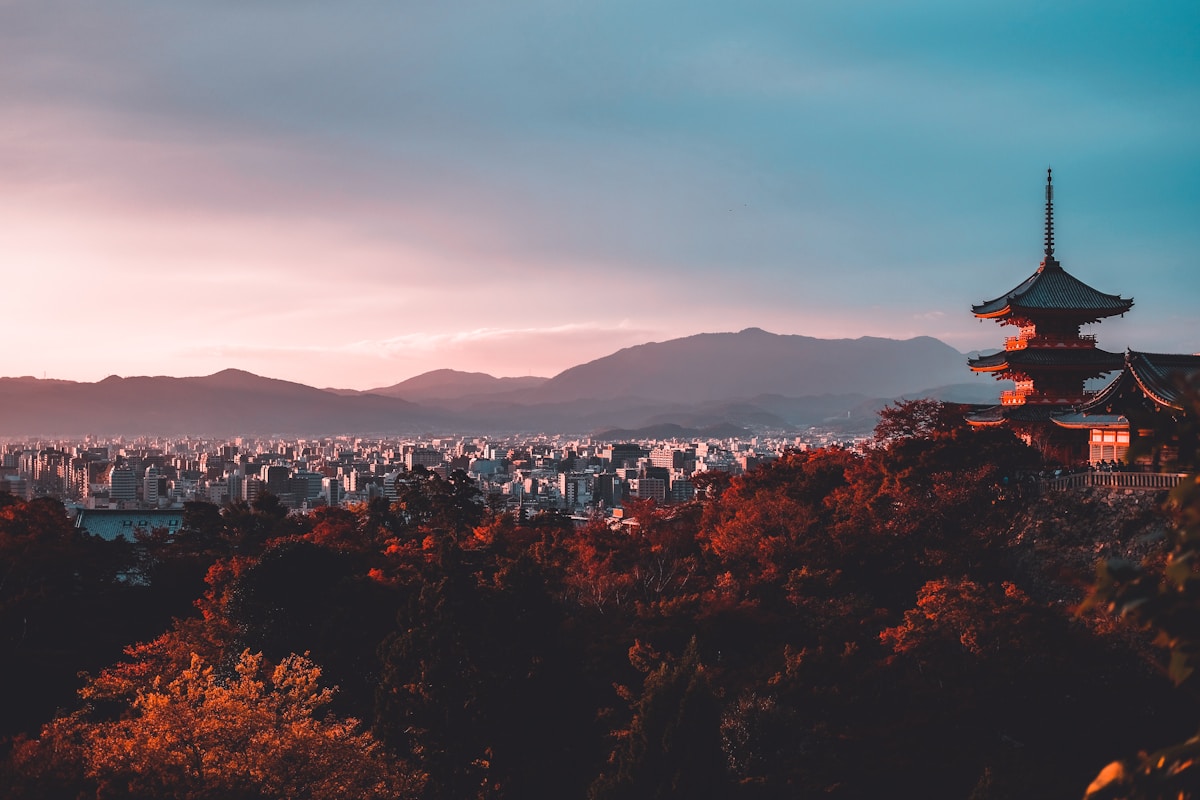
Kyoto: Japan’s timeless capital, where tradition and tranquility still thrive
Kyoto is a truly special city where Japan’s history and culture continue to live on in everyday life. For over a thousand years, it served as the nation’s capital, leaving behind a remarkable legacy of temples, shrines, gardens, traditional townhouses, and seasonal landscapes that remain quietly but unmistakably present.
Even for first-time visitors to Japan, Kyoto is one of the easiest places to experience what feels most “Japanese.” With convenient access from Osaka and Nara, it remains the heart of Kansai travel. This page brings together Kyoto’s essential charm, how to explore it comfortably, and the experiences you truly should not miss.
Contents
What Kind of City Is Kyoto?
.jpeg)
Traditional wooden townhouses lining Kyoto’s streets
Kyoto was Japan’s capital for more than 1,000 years, and the entire city feels like a living museum. Golden temples, vermilion torii gates, and quiet bamboo groves—all the images people associate with “beautiful Japan” can be found here. In spring, cherry blossoms paint the city in soft pink; in autumn, the surrounding mountains glow in brilliant shades of red and gold.
Walk through narrow stone-paved lanes and you may encounter real geiko and maiko, along with beautifully preserved wooden townhouses. From Michelin-starred dining to casual street snacks at Nishiki Market, Kyoto offers an incredibly rich range of food experiences. Simply wandering the city allows you to feel both Japan’s deep history and its refined modern culture at once— something few places in the world can offer.
Must-See Area: Gion & Higashiyama

Gion & Higashiyama—Kyoto’s historic districts east of Kyoto Station
Gion and Higashiyama form Kyoto’s most iconic sightseeing area—every turn feels like a postcard. Stroll along the atmospheric stone paths of Hanamikoji, or walk the gently sloping streets of Ninenzaka and Sannenzaka leading toward Kiyomizu-dera.
The dramatic wooden stage of World Heritage–listed Kiyomizu-dera and the national-treasure main hall of Yasaka Shrine are absolute highlights. At Kennin-ji, Kyoto’s oldest Zen temple, you can admire traditional masterpieces such as the powerful Twin Dragon ceiling painting.
Look closely and you’ll also discover uniquely Kyoto details: protective Shoki statues perched on rooftops, or the colorful “kukurizaru” wish charms at Yasaka Koshin-do.
Take breaks at long-established sweet shops or charming machiya cafés converted from former teahouses. Visiting early in the morning or around sunset helps you avoid crowds and experience this area at its most serene.

Hanamikoji Street, the heart of Gion
Main Spots in the Gion & Higashiyama Area
- Kiyomizu-dera: A World Heritage Site famous for its wooden stage, renovated in 2020.
- Yasaka Shrine: Known for its national-treasure main hall and blessings for beauty and relationships.
- Kennin-ji: Kyoto’s oldest Zen temple, featuring the Twin Dragon ceiling painting.
- Hanamikoji Street: A stone-paved street lined with traditional teahouses.
- Ninenzaka & Sannenzaka: Lively approach streets filled with shops and cafés.
- Kodai-ji: A temple associated with Nene, Toyotomi Hideyoshi’s wife, famous for its illuminations.
- Chion-in: Home to one of Japan’s largest wooden temple gates.
- Yasaka Koshin-do: A popular spot decorated with colorful wish charms.
- Maruyama Park: Kyoto’s oldest park, famous for its weeping cherry tree.
- Gion Shirakawa: A picturesque canal-side walking path.
- Yasui Konpiragu: Known for prayers related to ending and forming relationships.
- Shoren-in: Noted for its modern fusuma paintings and illuminated gardens.
- Shogunzuka Seiryuden: Offers panoramic views over Kyoto, especially at sunset.
Kyoto Food: Washoku & Traditional Sweets

Nishiki Market, known as “Kyoto’s Kitchen”
Kyoto cuisine is less about chasing a single famous dish and more about enjoying food as part of the city itself.
Known as “Kyoto’s Kitchen,” Nishiki Market is essential for understanding the city’s food culture. Inside the lively arcade, you’ll find local ingredients, casual street snacks, and traditional dishes that reflect Kyoto’s refined culinary heritage.
In Gion and Higashiyama, long-established sweet shops along Ninenzaka and Sannenzaka, as well as machiya cafés converted from former teahouses, offer the chance to enjoy food in beautifully historic settings.

Kyoto-style ramen, a popular local choice
Other key food areas across Kyoto include:
- Sagano & Arashiyama: Scenic dining near Togetsukyo Bridge.
- Uji & Fushimi: Closely connected to tea culture and sake brewing.
- Kyoto Station Area: A convenient hub packed with restaurants.
To enjoy popular spots more comfortably, try “time-shifted travel.” Visiting early in the morning or around sunset allows you to avoid crowds and savor Kyoto’s flavors and scenery at a relaxed pace.
Conclusion
Kyoto is a city defined not by spectacle, but by layers of time. Beyond famous landmarks, it is the quiet streets and unplanned moments that stay with you long after the journey ends.