-Picsart-BackgroundRemover.png)
- Get link
- X
- Other Apps
I moved to Fukuoka last year!
It had always been one of my favorite cities, but after actually living here, I’ve come to appreciate its convenience, the warmth of its people, and the depth of its food culture even more.
As of 2026, Fukuoka is welcoming not only repeat visitors from across Asia, but also a growing number of travelers from Europe, North America, and Australia. The city feels more vibrant than ever.
Based on the real questions travelers are asking right now, and from a local resident’s perspective, here is your complete guide to enjoying Fukuoka.
1. Fukuoka’s Night Star: How to Enjoy Yatai Street Stalls
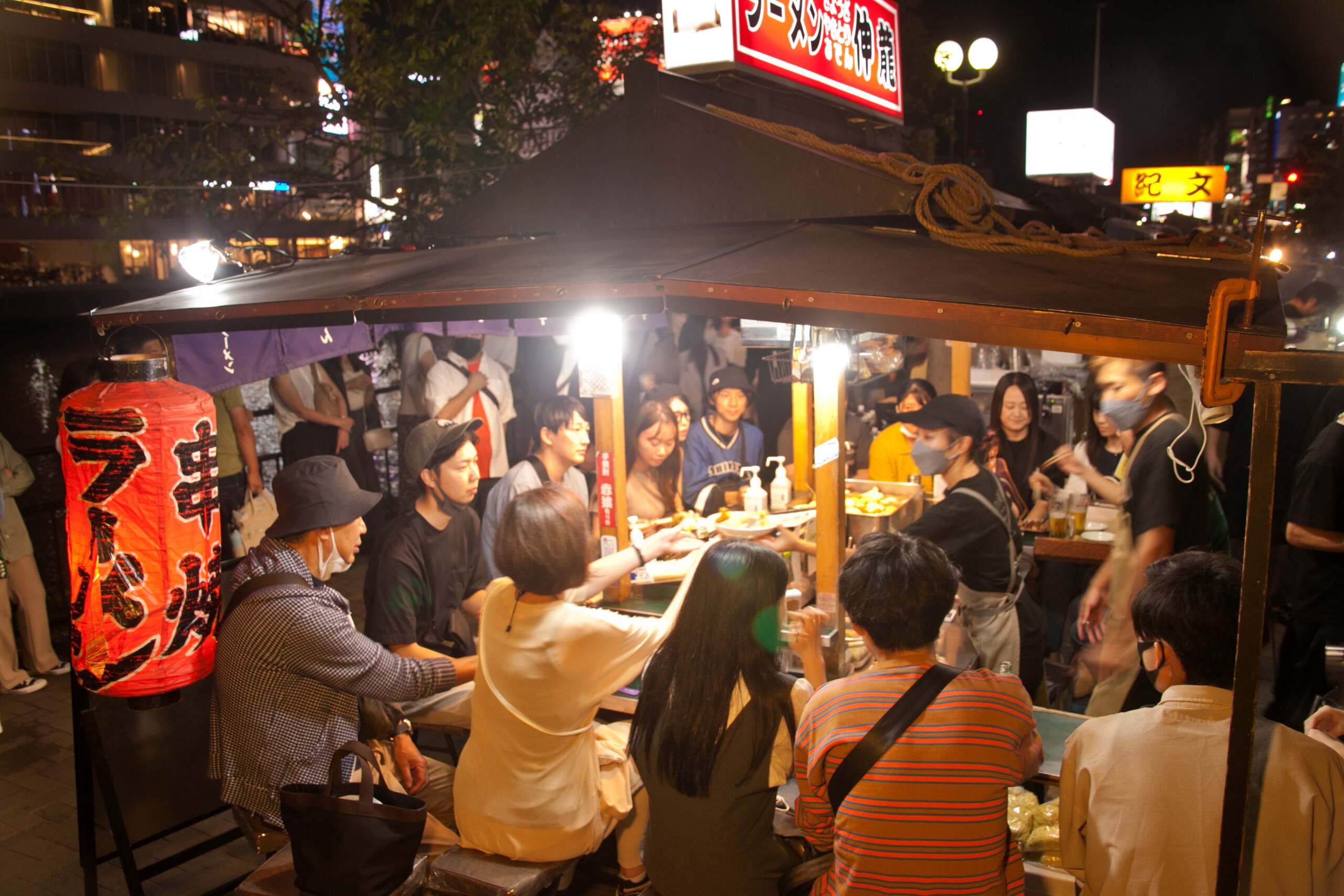
The biggest charm of Fukuoka is its nighttime yatai culture. You’ll find them mainly in Nakasu, Tenjin, and around Hakata Station. Most open around 6:30–7:00 PM and stay open until 1–2 AM.
Yatai Tips:
Reservations & Etiquette: Most stalls do not require reservations (with a few exceptions), but seating is very limited. Going in small groups of two or three is best. Because space is tight, leave large luggage at your hotel or station lockers and arrive light.
Ordering & Payment: It’s common to order at least one drink and one dish per person. About 90% of stalls are cash-only, so check your wallet before you go.
What to Try: Tonkotsu ramen is classic, but yakitori and the local specialty “yaki-ramen” are also very popular.
2. Tonkotsu Ramen — and Diverse Food Options

“I want to try authentic tonkotsu ramen at least once!” I hear this constantly.
Locals have many favorite spots beyond Ichiran, but recently there has also been growing interest in vegetarian and halal-friendly options.
Fukuoka now offers places like BUGORO ALL VEGAN, serving fully plant-based Hakata ramen, and Mimi, known for vegan okonomiyaki. There are also halal-friendly restaurant maps available, making it easier for travelers with dietary needs to find something delicious.
3. Surprisingly Convenient Transportation & Compact City Charm

Fukuoka Airport is just 5–10 minutes by subway from Hakata Station or Tenjin — one of the closest airport-to-city-center connections in the world.
Transportation Tips: IC cards like Suica and PASMO work here. Credit card tap payments are also available on subways.
A Walkable City: Fukuoka is compact. The central area can easily be explored on foot, and shared bicycles are also popular.
4. Easy Day Trips from Fukuoka

Using Fukuoka as your base makes exploring nearby areas easy.
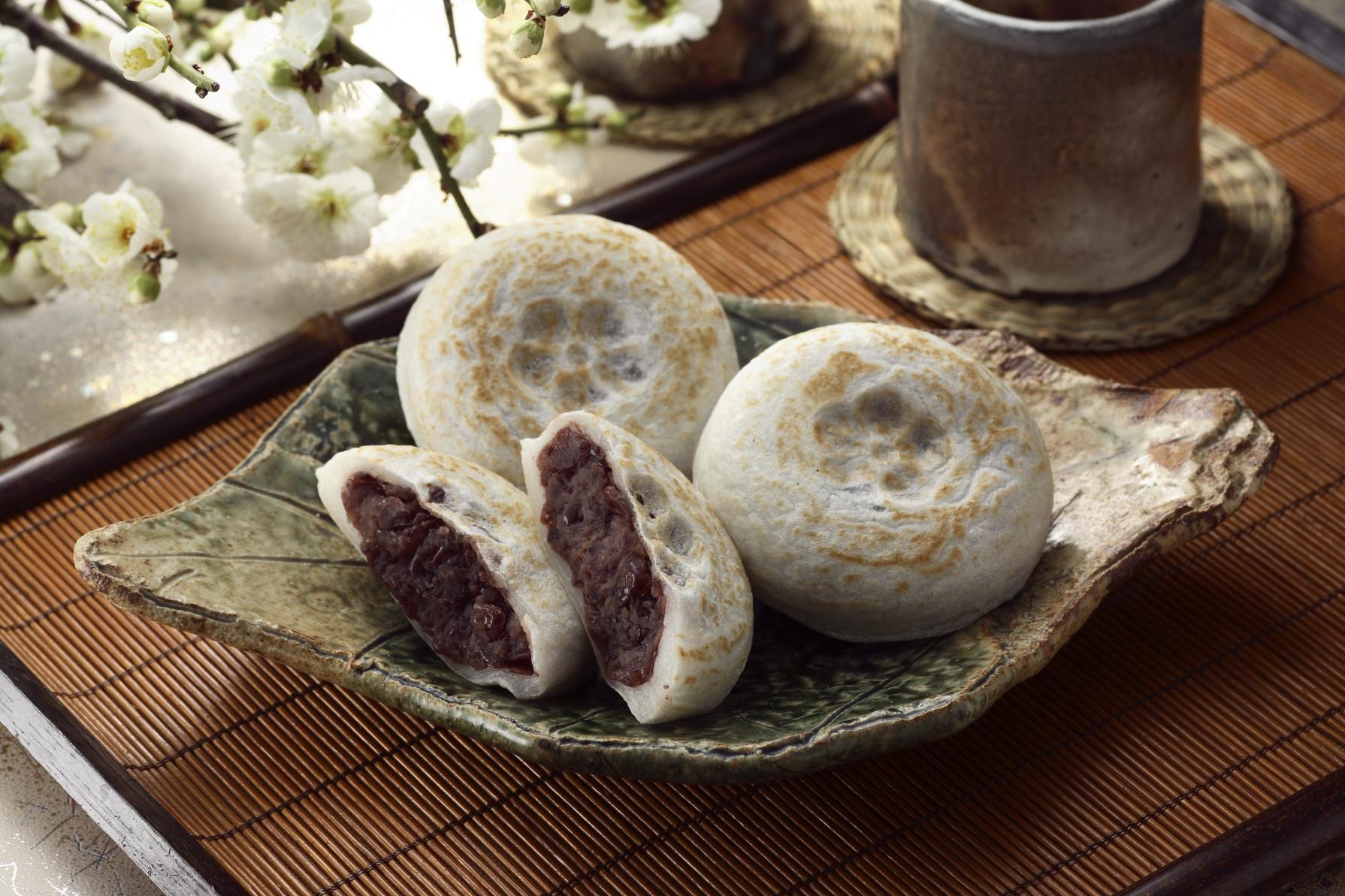
Dazaifu Tenmangu: Famous as the shrine of learning. Access is simple via Nishitetsu train, and the local specialty “Umegae Mochi” is a must-try.
Itoshima: A favorite getaway from Fukuoka, Itoshima is known for its stylish seaside cafés, sandy beaches, and scenic coastal drives.
More Options: Yanagawa for river boat rides, or even day trips to Yufuin and Beppu hot springs.

5. Shopping & Unique Japanese Souvenirs

For shopping, visit Canal City Hakata, or explore Tenjin’s underground malls and department stores.
Souvenir favorites include mentaiko (spicy cod roe), tonkotsu-flavored snacks, and beautiful traditional textiles known as Hakata-ori.
2026 Trends: Crowds & Language Support
Compared to Tokyo or Kyoto, Fukuoka’s overtourism is still relatively mild. However, weekend yatai areas and Dazaifu can get busy, so allow extra time.
English support is improving, especially at major tourist spots and yatai stalls. In smaller local shops, Japanese is still common, but translation apps like Google Translate work surprisingly well.
Final Thoughts
Fukuoka is truly a city where you can eat, drink, and relax.
Having started living here last year, I genuinely hope more people experience the comfort and warmth of this wonderful city.
May your stay in Fukuoka be unforgettable.

Takumi
Based in Fukuoka. Writes mainly about travel and life in Kyushu.
A passionate traveler who enjoys discovering local sake and regional cuisine across the country.